SCRAP METAL 101
New to Scrap Metal? Start Here.
You don’t need to be a scrap metal expert to recycle with AAA. This simple guide explains the basics, helps you identify what you have, and shows you how to prepare before you visit.

What Are Ferrous and Non-Ferrous Metals?
These are two basic categories of scrap metal. Ferrous metals contain iron and are usually magnetic. Non-ferrous metals generally do not contain iron and are typically not magnetic.
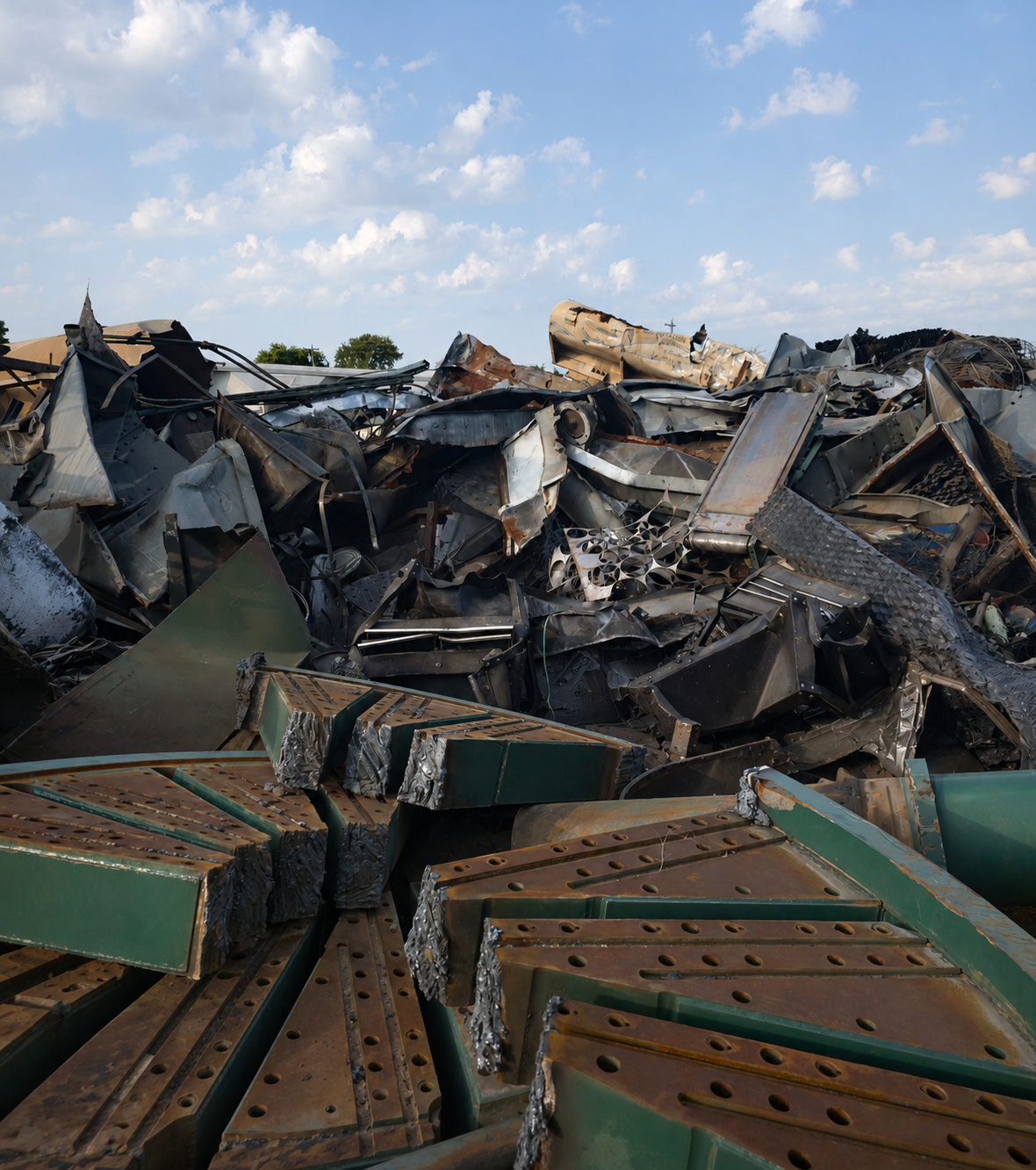
Ferrous Metals
Common examples include iron and many types of steel.
Examples: Iron • Steel • Some metal construction scrap • Some metal agricultural scrap
Non-Ferrous Metals
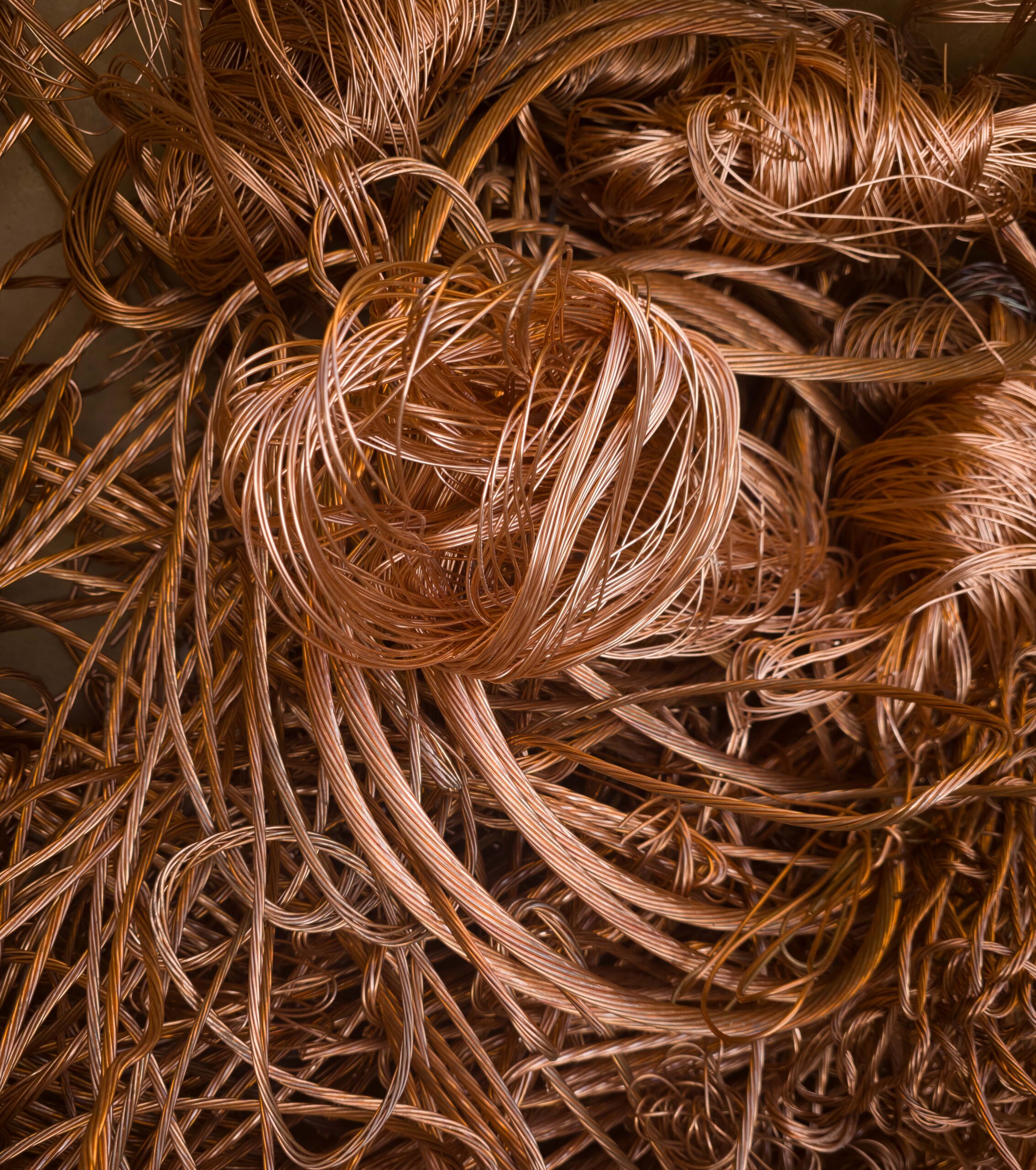
Non-ferrous metals are typically Copper, Brass, and Aluminum.
Examples: Copper • Brass • Aluminum • Lead • Insulated Wire • Radiators
Not Sure What You Have? Try a Magnet.
A magnet can be a useful first step in identifying scrap. If the magnet sticks strongly, the material is likely ferrous. If it does not stick, it may be non-ferrous. This is only a basic test, and some metals can be harder to identify. Still not sure? That’s okay. AAA can help you identify your material when you arrive.
Organize Your Scrap
Why Sorting Matters
Different metals are weighed and priced differently. Separating different types of metal before you arrive can make the recycling process easier and help ensure your material is properly identified and weighed.
Common Scrap Items
Household Appliances
Washers, dryers, refrigerators and other metal appliances
Electric Motors
Motors from equipment, tools and machinery
Radiators
Automotive and other metal radiators
Water Heaters
Metal residential and commercial water heaters
Insulated Wire
Electrical wire with insulation still attached
Sheet Metal
Metal sheets, panels and similar material
Copper and Brass
Common plumbing, electrical and household scrap
Have something else? AAA accepts many other types of metal. If you’re unsure whether something is accepted, contact us before loading it up.
Understanding Payment
AAA purchases scrap based on the weight and type of material and current material pricing. Different metals have different values, so properly identifying and separating your scrap can help make the process easier.
Separate Your Scrap
Separate different types of metal when practical.
Keep Trash Separate
Keep trash and other non-metal material separate from your scrap.
Know What We Don't Accept
AAA does not accept lithium batteries or hazardous, explosive, radioactive, corrosive, flammable or mercury-containing materials.
Not Sure? Ask Us
If you’re unsure whether AAA accepts something, contact us before bringing it in.
Ready to Recycle Your Scrap?
Now that you know the basics, see what AAA buys, choose your location, or contact us if you still have questions.